Why We Use Matzo Bread in Communion
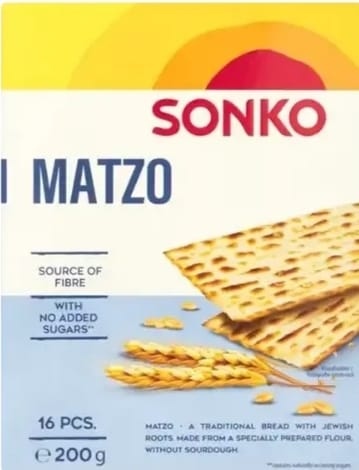
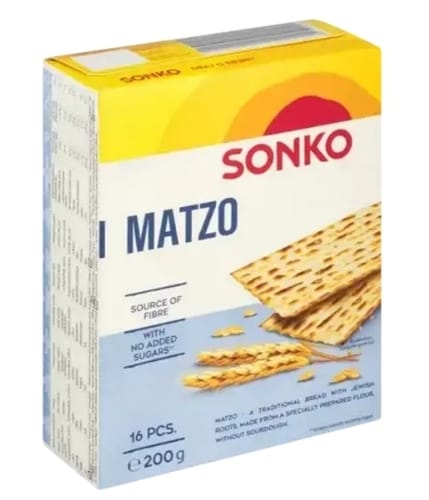
Matzo, or unleavened bread, carries deep biblical meaning, and that’s why many believers choose to use it during communion. In Scripture, leaven (or yeast) often symbolizes sin, pride, and corruption. Matzo is made without yeast, making it a beautiful picture of the purity and sinlessness of Jesus Christ.
When we break the matzo during communion, we remember:
1. Christ’s Sinless Body
Jesus was the spotless Lamb of God, without sin or blemish. The unleavened bread reflects His purity — a life free from the “leaven” of sin.
2. His Body Broken for Us
Matzo is pierced and striped during the baking process. Many see this as a prophetic picture of Isaiah 53:
“He was pierced for our transgressions… and by His stripes we are healed.”
As we break the matzo, we recall His suffering and the price He paid for our redemption.
3. The Biblical Passover Connection
At the Last Supper — a Passover meal — Jesus used unleavened bread when He said,
“This is My body, given for you.”
By using matzo today, we connect back to that moment, remembering that Jesus is our Passover Lamb who took away the sins of the world.
4. A Call to Live Unleavened Lives
Paul reminds us to “cleanse out the old leaven” (1 Corinthians 5:7–8). Communion with matzo invites us to examine our hearts, remove sin, and live in sincerity and truth.

